
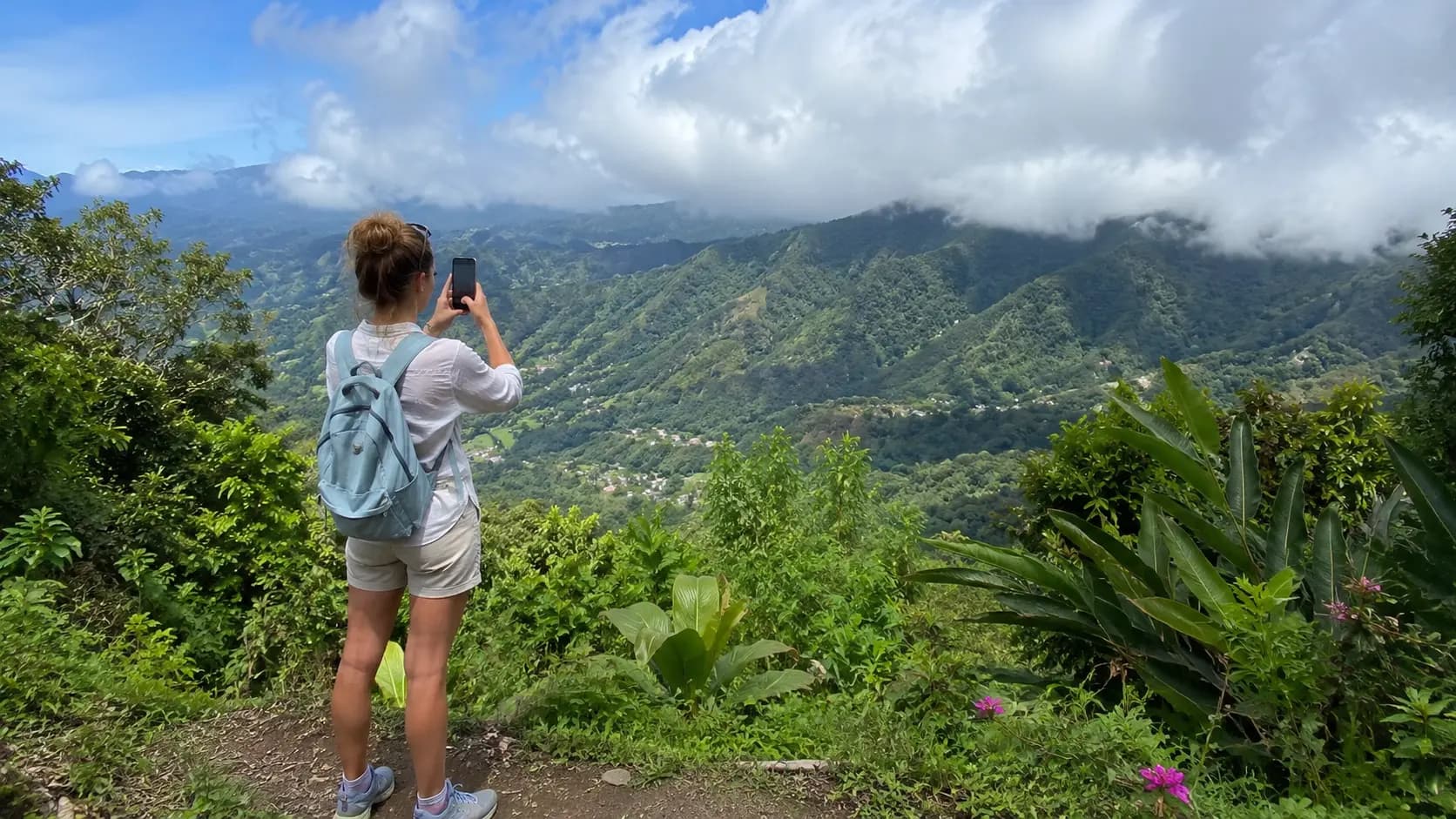
Panama is much more than beautiful beaches and city views.
It is also a country of rainforests, cloud forests, waterfalls, volcano trails, tropical birds, hidden rivers, and protected parks. From Boquete to El Valle, from Soberanía National Park to Metropolitan Natural Park in Panama City, hiking in Panama can be one of the most memorable parts of your trip.
But nature here is alive, delicate, and powerful.
Responsible hiking helps protect Panama’s landscapes, wildlife, local communities, and the experience of future travelers. It also helps you stay safer, more comfortable, and better prepared.
Here are simple, practical hiking tips for exploring Panama with care.
1. Choose the Right Trail for Your Level
Not every hike in Panama is the same.
Some trails are easy and close to the city. Others can be steep, muddy, remote, humid, or physically demanding. Boquete, for example, is known for beautiful hiking, waterfalls, cloud forest scenery, and Volcán Barú, but trail difficulty can vary a lot.
Before choosing a hike, ask yourself:
- How long is the trail?
- Is it flat, steep, or slippery?
- Do I need a guide?
- Is there phone signal?
- How far is it from my stay?
- What happens if it rains?
- Is it suitable for children or older travelers?
A responsible hike starts with choosing a trail that fits your body, time, experience, and comfort level.
At Sami Vacation Stays, we always recommend matching the activity to the traveler, not the other way around.
2. Check the Weather Before You Go
Panama’s weather can change quickly, especially in mountain and rainforest areas.
A sunny morning can turn into rain. A dry trail can become muddy. A small river crossing can become more difficult after heavy rain.
Before you leave, check the local forecast and ask someone familiar with the area if the trail conditions are safe. During rainy season, give yourself extra time and avoid starting late in the day.
If the weather looks unstable, choose a shorter trail, go with a guide, or reschedule. Nature will still be there tomorrow.
3. Wear Proper Shoes
Panama hiking is not always a flip-flop activity.
Even short trails can have roots, rocks, wet leaves, mud, insects, or slippery sections. Good shoes make a big difference.
Choose comfortable hiking shoes, trail shoes, or sneakers with grip. Avoid smooth sandals on forest trails, waterfall paths, or steep areas.
Your feet carry the whole experience. Protect them.
4. Bring Enough Water
Panama’s heat and humidity can make you sweat more than you expect.
Bring more water than you think you need, especially if you are hiking in full sun, near the coast, or on a longer trail. For some hikes, electrolytes or coconut water afterward can also feel helpful.
A good rule is simple: do not wait until you feel thirsty.
Drink before the hike, during the hike, and after the hike.
5. Pack Light, But Pack Smart
You do not need to carry too much, but you should bring the basics.
Useful hiking items in Panama include:
- Water
- Light snacks
- Sunscreen
- Hat or cap
- Insect repellent
- Small towel
- Rain jacket or poncho
- Phone with battery
- Basic first aid items
- Reusable bag for trash
- Comfortable shoes
- A dry shirt for after the hike
For mountain areas like Boquete, a light layer can also be useful because the air may feel cooler than the beach.
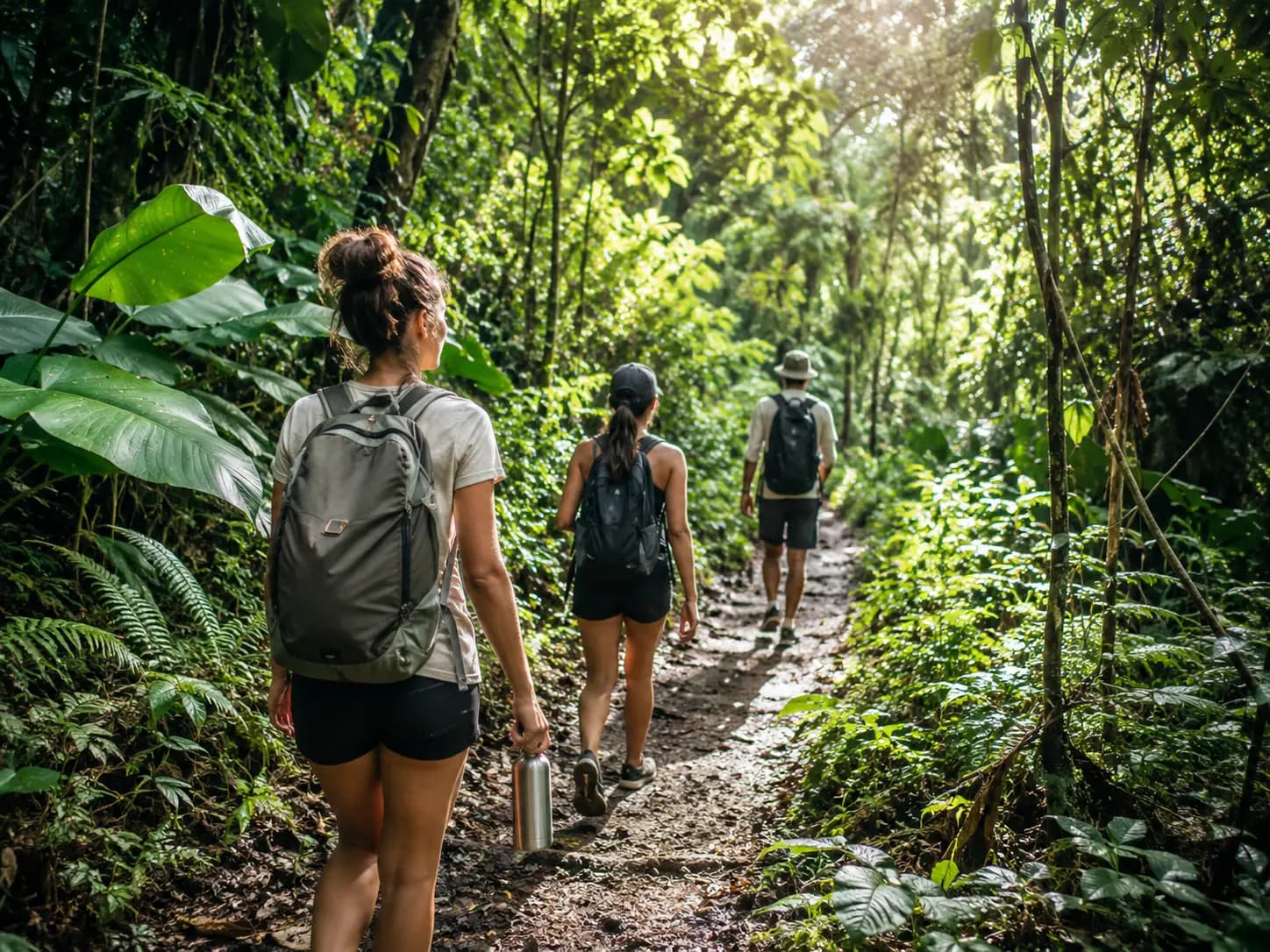
6. Stay on Marked Trails
Panama’s nature can be dense and confusing. Going off trail can damage fragile plants, disturb wildlife, and increase your risk of getting lost.
Stay on marked paths whenever possible. Follow posted signs. Do not create shortcuts. Do not walk into restricted areas for photos.
A responsible traveler understands that the best view is not worth damaging the place they came to enjoy.
7. Respect Wildlife From a Distance
Panama is full of life.
You may see birds, butterflies, monkeys, sloths, frogs, lizards, insects, and many other animals depending on where you hike. Some parks and trails are especially known for birdwatching and biodiversity.
Enjoy wildlife with patience and respect.
- Do not feed animals.
- Do not touch animals.
- Do not chase animals for photos.
- Do not use flash too close.
- Do not play loud sounds to attract birds.
- Do not disturb nests or resting animals.
Wild animals are not props. They belong to the place.
The best wildlife encounter is one where the animal continues its day naturally.
8. Leave No Trash Behind
This is one of the most important rules.
Everything you bring in should leave with you.
That includes plastic bottles, snack wrappers, fruit peels, tissues, cigarette butts, and anything else that does not belong in nature. Even organic waste can attract animals, change their behavior, or make a trail unpleasant for others.
Bring a small reusable bag for your trash.
If you see a little trash and can safely pick it up, that is even better.
Leave the trail cleaner than you found it.
9. Do Not Take Plants, Rocks, Shells, or Flowers
It can be tempting to take a small natural souvenir, but responsible travelers leave nature where it belongs.
Do not remove flowers, orchids, rocks, shells, seeds, branches, or pieces of coral. Do not carve names into trees. Do not write on rocks. Do not damage plants for photos.
Take photos.
Take memories.
Leave the landscape whole.
10. Keep Waterfalls and Rivers Clean
Panama’s rivers and waterfalls are beautiful, but they need care.
Avoid using soap, shampoo, harsh sunscreen, or chemicals in natural water. Do not leave food waste near the water. Do not throw anything into rivers or pools.
If you swim, be gentle. Rocks can be slippery, currents can be stronger than they look, and water levels can change after rain.
A waterfall visit should feel refreshing, not harmful to the ecosystem.
11. Use Local Guides When Needed
Some hikes are easy to do on your own. Others are much better with a local guide.
A guide can help with safety, navigation, weather awareness, wildlife spotting, cultural context, and respect for protected areas or local communities.
Guides are especially useful for remote trails, waterfall routes, Indigenous community visits, night hikes, birdwatching, and longer rainforest hikes.
Hiring local guides also supports the people who help protect and share these places.
12. Be Respectful in Local and Indigenous Communities
Some of Panama’s most beautiful nature experiences are connected to local or Indigenous communities.
When visiting these areas, be respectful.
- Ask before taking photos of people.
- Follow community rules.
- Support local guides and small businesses.
- Dress appropriately when needed.
- Do not enter private land without permission.
- Do not treat people’s homes or traditions like tourist decorations.
Responsible travel is not only about nature. It is also about people.
13. Avoid Loud Music on Trails
Nature already has a soundtrack.
Birds, insects, water, wind, leaves, and silence are part of the experience. Loud music can disturb wildlife and other hikers.
Use headphones if you need music, but for safety, keep the volume low enough to hear your surroundings.
Better yet, let the forest speak.
14. Start Early and Do Not Rush
In Panama, starting early is usually better.
The morning is often cooler, calmer, and more comfortable. It also gives you more daylight in case the hike takes longer than expected.
Do not rush the trail. Walk slowly. Notice the small things. Take breaks. Drink water. Listen.
Responsible hiking is not about conquering nature. It is about moving through it with awareness.
15. Know When to Turn Back
One of the smartest hiking decisions is knowing when to stop.
Turn back if the weather changes, the trail becomes unsafe, someone feels unwell, you are running out of daylight, or the route is not clear.
There is no shame in turning back.
A responsible traveler values safety more than finishing a trail.
16. Make the Experience Part of a Better Vacation
A hike in Panama does not need to be extreme to be meaningful.
It can be a light walk through a city rainforest. A short trail to a viewpoint. A guided walk in Boquete. A quiet waterfall visit. A birdwatching morning. A family-friendly nature outing.
The goal is not to do the hardest hike.
The goal is to connect with Panama in a way that feels safe, respectful, and memorable.
Why Responsible Hiking Matters in Panama
Panama is rich in biodiversity and natural beauty. Its parks, forests, beaches, mountains, rivers, and wildlife are part of what makes the country so special.
When travelers hike responsibly, they help protect that beauty.
- They support local communities.
- They reduce damage to trails.
- They keep wildlife wild.
- They protect rivers and waterfalls.
- They make nature more enjoyable for everyone.
Every small choice matters.
Plan Your Nature Stay With More Care
At Sami Vacation Stays, we believe a great Panama trip should feel personal, comfortable, and thoughtful.
If you want to include hiking, waterfalls, nature walks, birdwatching, or mountain escapes in your stay, we can help you think through the right rhythm for your trip.
Beach calm one day.
A nature walk the next.
A slow morning after a longer hike.
A local guide when needed.
A stay that gives you time to rest, not only rush.
Panama is beautiful.
Let’s explore it with care.